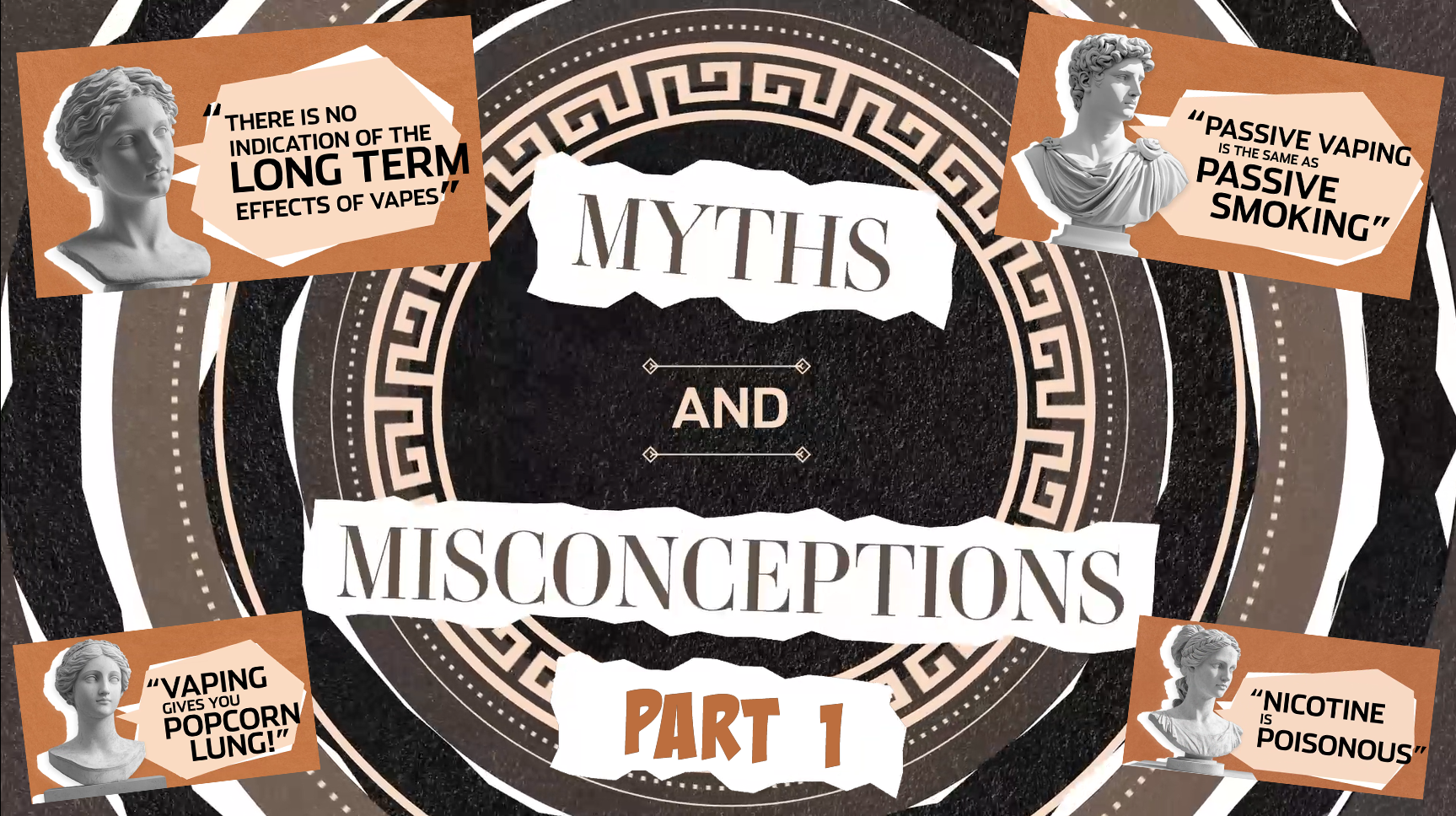
Rob Taylor, Senior Harm Reduction Communications Manager at Imperial Brands, addresses some of the most common myths and misconceptions when it comes to next generation products (NGP) in part one of a new series.
A recent survey of Members of the European Parliament (MEPs) suggests there are continuing concerning misconceptions around nicotine, NGP, and their potential in helping to reduce smoking-related disease.
Imperial Brands believes that if ambitious governmental public health goals around smoking rates and smoking-related disease are to be met, NGP are likely to play an important role.
It’s therefore important that a wide range of stakeholders – from consumers to regulators – have the right information so they’re able to make informed, evidence-based decisions.
To help build understanding, we’re exploring some of the biggest myths and misconceptions when it comes to NGP.
NGP and relative risk compared to cigarettes
One of the most fundamental misunderstandings of NGP concerns relative risk compared to smoking; for instance, the MEP poll cited above worryingly suggests 33% of MEPs believe vapes are equally, or even more harmful than cigarettes.
To help debunk myths like this, we created an illustrative relative risk scale. It highlights that not all nicotine products are the same and that NGP possess varying characteristics which are very different from cigarettes. These characteristics determine their respective positions on the scale, which you can explore here.
The scale’s most important message is this: regardless of which NGP adult smokers choose to transition to, there’s a significant reduction in risk between any NGP and continuing to smoke cigarettes.
That’s because the chemicals created by burning tobacco are the key driver of smoking-related disease.
To find out more, watch this video.
NGP regulations
Despite the widespread belief that they are unregulated, NGP like vapes and heated tobacco are usually highly regulated in markets where they are legally available – including the EU. Regulations are far reaching and cover elements including age restrictions, marketing and advertising standards, and nicotine strength limits.
For example, focusing on vapes the UK Government website outlines guidance set by the Medicines and Healthcare products Regulatory Agency (MHRA), in line with the Tobacco and Regulated Products Regulations 2016 legislation.
In the US, similar guidance can be found on the Food and Drug Administration (FDA) website.
Meanwhile, in addition to many existing country-specific regulations, the tobacco-free oral nicotine pouch category will be covered in the forthcoming revision of the EU Tobacco Products Directive (TPD).
Watch a video which debunks this misconception.
Popcorn Lung
Expert health organisations publicly agree vaping doesn’t cause so-called ‘popcorn lung’ (bronchiolitis obliterans).
The misconception stems from some early vapes containing a flavouring additive called diacetyl. Concerns had been raised because high levels of exposure to diacetyl had previously been observed in popcorn factory workers, leading to some developing the harmful condition.
However, when it comes to vaping, adding diacetyl as an ingredient was banned in e-liquids under the EU TPD in 2016. Cancer Research UK has also commented that there have been no confirmed cases of popcorn lung reported in individuals who vape.
Watch a video on this misconception.
Passive vaping and passive smoking
Many people also believe passive vaping is the same as passive smoking.
Public Health England (now the Office for Health Improvement and Disparities) and the NHS have stated that smoking causes harm not only to smokers but also to those around them.
Unlike cigarettes, NGP like vapes and heated systems don’t produce ‘side-stream’ emissions, while their exhaled aerosols evaporate in seconds (cigarette smoke can linger for up to an hour). Expert health organisations globally largely agree that vaping does not cause a risk to bystanders.
Our own research reinforces this view. Vape aerosol quickly evaporates – unlike cigarette smoke. This is why indoor use of vapes in many public spaces in the UK, for instance, is often discretionary, unlike cigarettes.
Watch a video on this misconception.
Moving Forwards
At Imperial Brands we’re committed to ensuring consumers have access to understandable, evidence-driven insights so they can better understand their options and make informed choices regarding their health.
Look out for the next episode in our myth busting series soon, which addresses some surprising misconceptions around nicotine…
Follow us on LinkedIn and read more about our intentions to help create potentially healthier futures for our consumers on our corporate website. You are free to share this content with credit to Imperial Brands under a Creative Commons Attribution-NoDerivatives 4.0 International (CC BY-ND 4.0) license.